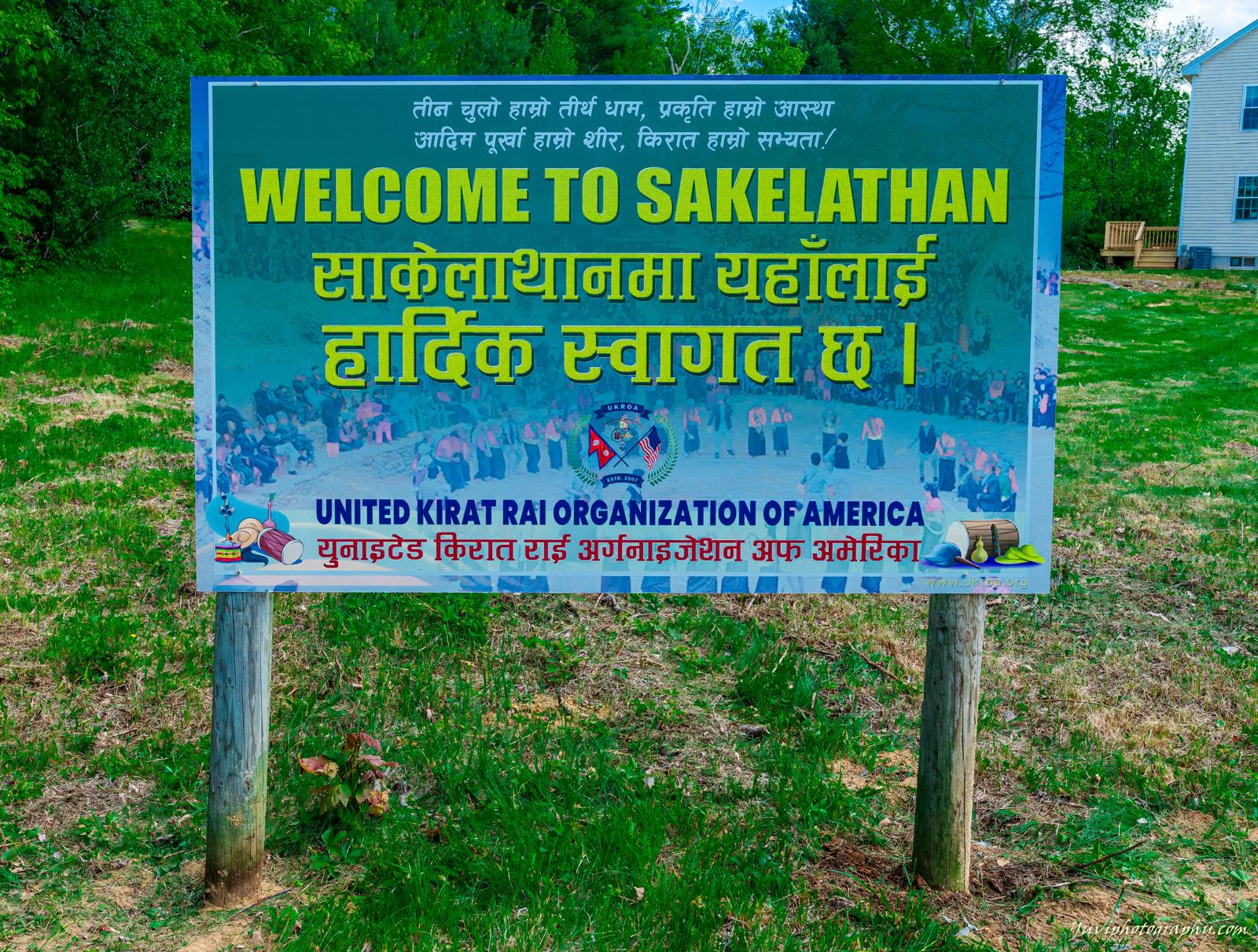
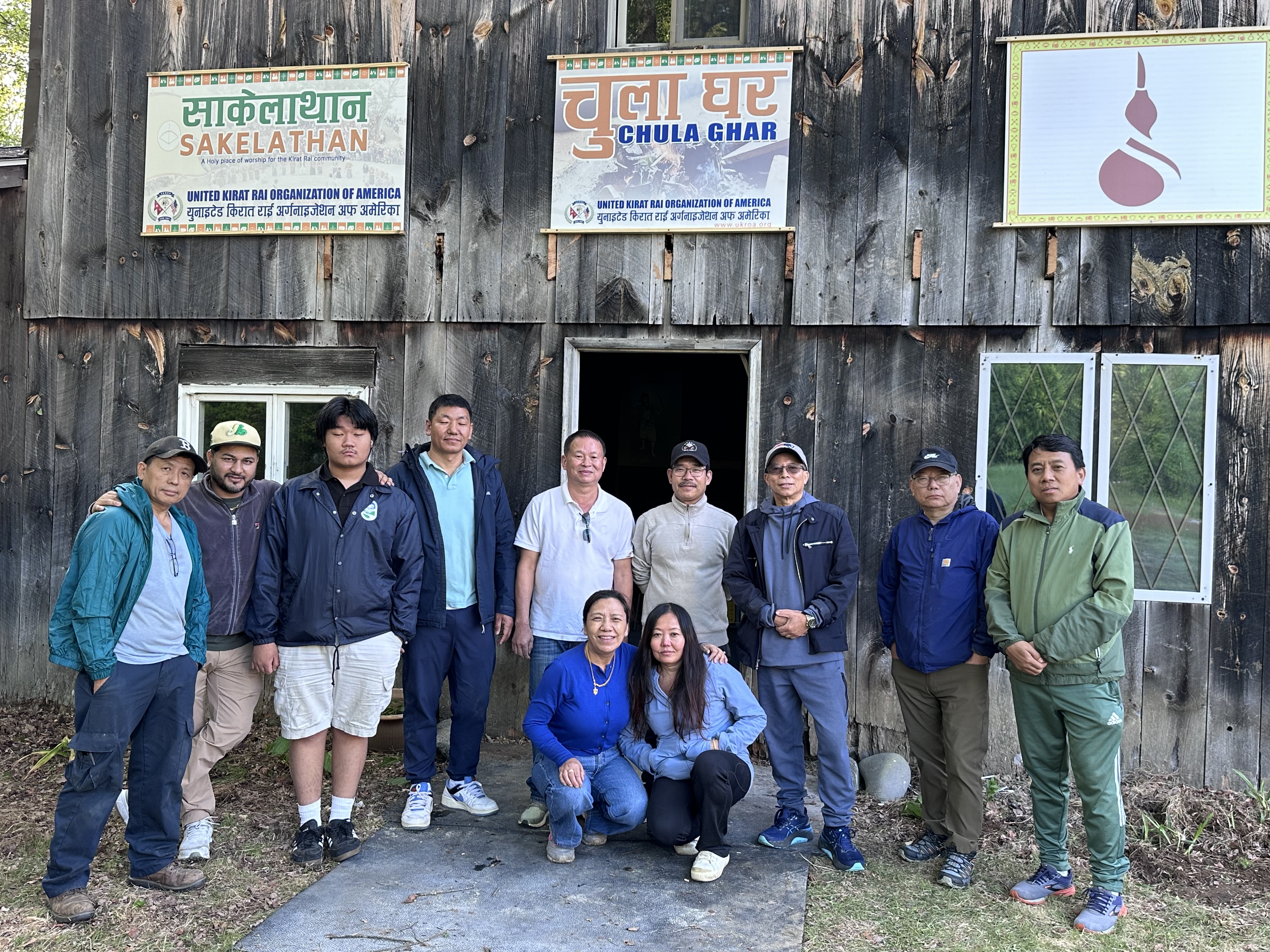
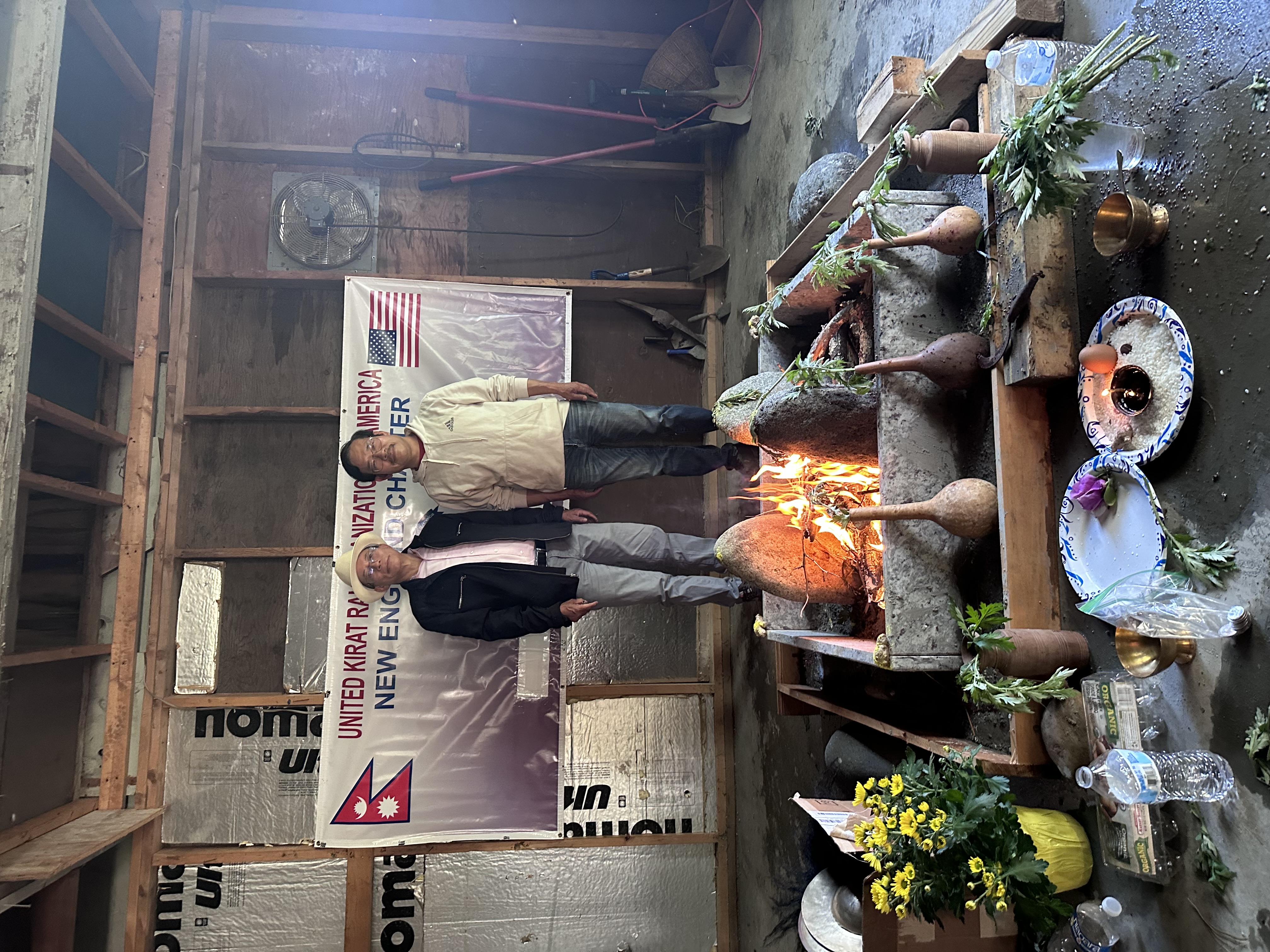
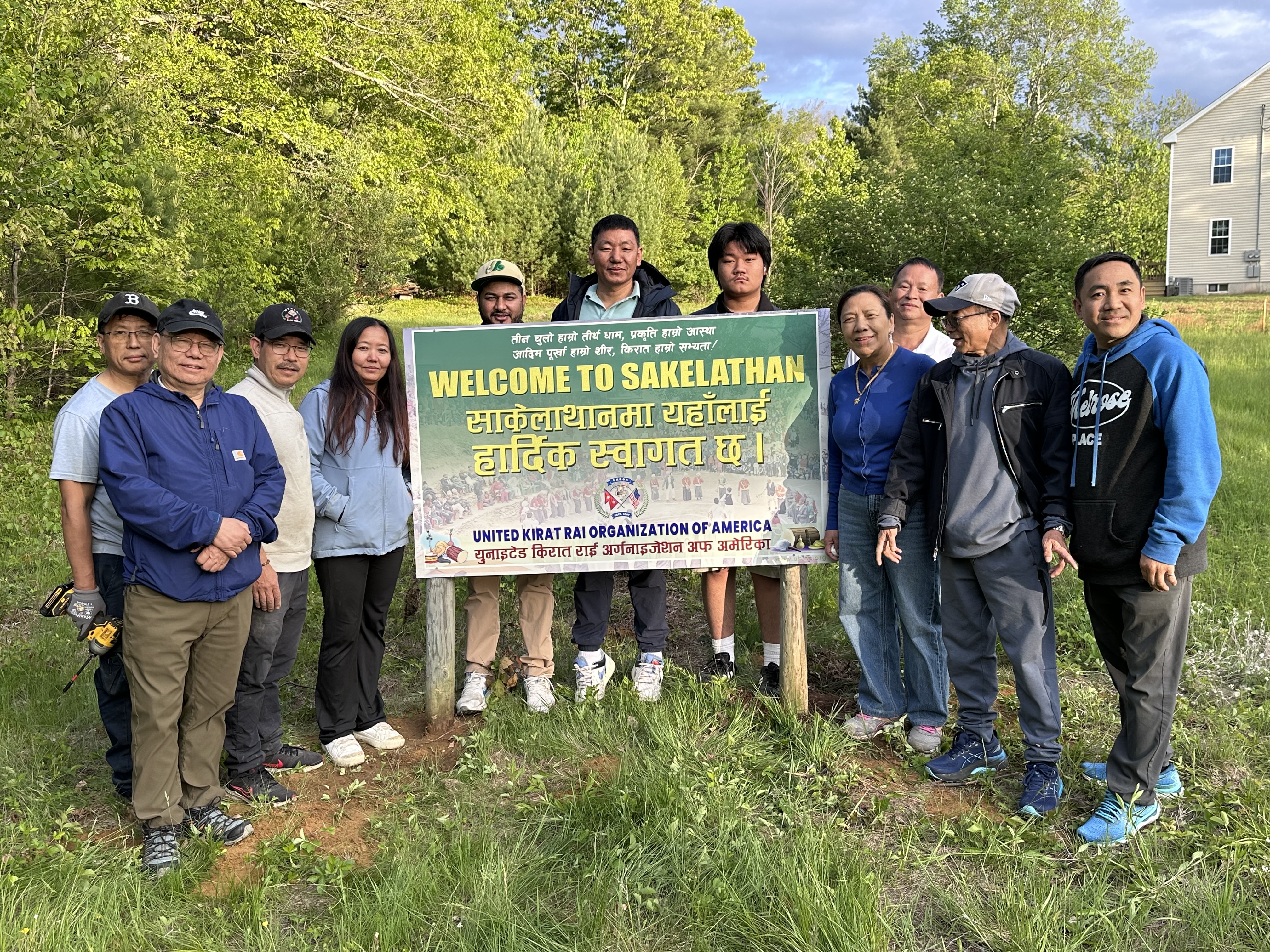
साझा सांस्कृतिक चुल्हाको अवधारणा
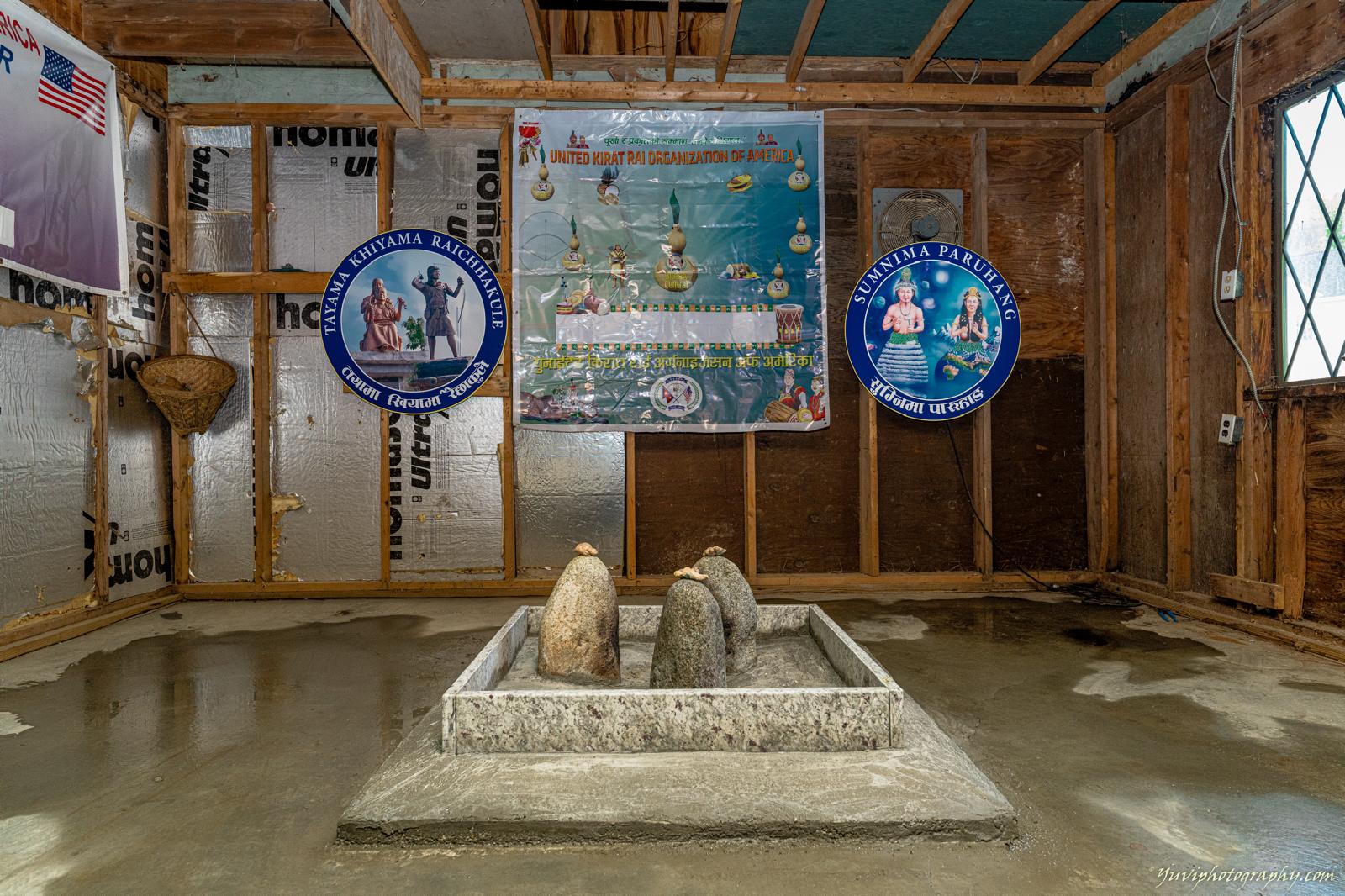
किरात राईहरुको दायाहुईलुङ्ग, सुप्तुलुंग, सुप्तुलु भन्नाले चूला भनेर बुझिन्छ र साझा चूला भन्नाले समुदायको सामुहिक सबैको लागि बनेको साझा दायाहुईलुङ्ग, सुप्तुलुंग, सुप्तुलु हो भनेर बुझ्नु पर्दछ।
त्यसैले, हामीले साझा चुलाको अवधारणा बनाउनु भन्दा अगाडी चुल्हा भनेको के हो र यसको किरात समुदायमा के कस्तो महत्व छ र चूला संस्कृति कहिले देखि कसरी सुरु भयो भनेर चूलाको इतिहास सम्बन्धि पनि चर्चा गर्नु आवस्यक देखिन्छ।
🔥 किरात मिथक अनुसार
चूलाको सुरुवाती सुम्निमा र पारुहांगको समयमा नै भएको देखिन्छ। पारुहांग र सुम्निमाले आफ्नो छोरो (होंछा) किरातुईङ्ग्वा र पर्वतकी छोरी पारुमाको विवाह चूलालाई साक्षी राखेर गरिदिएको हुनाले चूलाको आगो विवाहको सांक्षी भएकोले सँधै सांक्षीको रुपमा रहिरहन पर्छ भनेर चूलाको आगो कहिले पनि निभ्नु हुदैन भन्ने मान्यता अझ सम्म नै रहेको छ।
📖 किरातुईङ्ग्वा र पारुमाको कथा
पारुहांग र सुम्निमा यस धर्ती बाट विलीन भए पछि किरातुइङ्ग्वाले घर बनाउनको लागि खाँबो गाड्न खोज्छन तर उनी एक्लैले खाँबो उचाल्न नसके पछि पारुमा पनि खाँबो उचाल्न मदत गर्न खोज्छन, तर त्यसो गर्दै गर्दा पारुमाले पिठ्युँमा बोकिरहेको उनीहरुको नानी सुल्की झरेर खाल्डोमा पर्छ र खाँबोले किच्दछ।
यो देखेर किरातुईङ्ग्वा र पारुमा अलाप विलाप गर्दै रुन कराउन थाल्दछन। त्यतिकैमा किरातुईङ्ग्वा निदाई पठाउँछन र सपना पनि देख्दछन। सपनामा सुम्निमा र पारुहांगले यो घर बनाउने जस्तो शुभ कार्य गर्दै गर्दा चूलाथान बनाएर पूजा गरेर पित्रिहरुबाट आशिर्वाद नलिईकन काम सुरु गरेकोले तिमीहरुले यो नियति भोग्नु परेको हो भनेर भन्दछन।
त्यसपछि उनीहरुले चुला गाडेर पूजा गरेर पितृबाट आशिर्वाद माग्छन। बल्ल त्यसपछि भने घर बनाउने काम राम्रो संग पुरा हुन्छ।
यसरी प्राग ऐतिहासिक काल देखि सुरु भएको चूला संस्कृति समयका विभिन्न काल खण्डहरुमा विकशित हुँदै अहिले आएर नेपालको पूर्वी पहाडी भेखमा हेर्ने हो भने सबैको आफ-आफ्नो घरमा चुल्हा देखिन्छ, भेटिन्छ किनभने किरात राईहरुको सांस्कृतिक अनुष्ठानको केन्द्र नै यी तिन चूला याने दायाहुईलुङ्ग/ सुप्तुलुंग/ सुप्तुलु हुन्।
Concept of a Common Cultural Chula
Among the Kirat Rai people, Daiyahuilung, Suptulung, and Suptulu refer to the chula—the sacred hearth. A common chula means a Daiyahuilung/Suptulung/Suptulu established for the entire community.
Therefore, before keeping the idea of a common chula for the kirat community, it is necessary to understand what the chula is, what significance it carries in Kirati culture, and how this chula tradition began historically.
🔥 According to Kirat Mythology
The origin of the chula dates back to the age of Sumnima and Paruhang. Paruhang and Sumnima conducted the marriage of their son Hongchha (Kiratuingwa) and Paruma, daughter of the mountain in the presence of the chula-fire as witness. Just because the fire stands for the witness of the marriage, it must never be extinguished in the hearth (chula), and this belief continues still today in Kirat community.
📖 Story of Kiratuingwa and Paruma
After Paruhang and Sumnima departed from the earthly realm, Kiratuingwa (Honchha) attempted to erect pillars to build a house. But being unable to lift one alone, Paruma tried to help, but in doing so, their child who was on the back of Paruma (mother), fell into a pit and was crushed by the pillar.
Grieving, they cried and lamented until Kirat Kiratuingwa (Honchha) fell asleep and dreamt. In the dream, Sumnima and Paruhang told them that because they had started the auspicious task of house-building without constructing a hearth (chula-thaan), performing rituals, and seeking ancestral blessings, they had met with that tragedy.
After this, they set up the hearth (chula-than), performed the ritual worship, sought blessings, and only then the house got completed successfully.
Thus, the chula culture, which began in prehistoric times, continued evolving through many eras. Today, in eastern Nepal, nearly every Kirat Rai household has its own chula since these three stones—Daiyahuilung/Suptulung/Suptulu—form the sacred center of all cultural rituals.